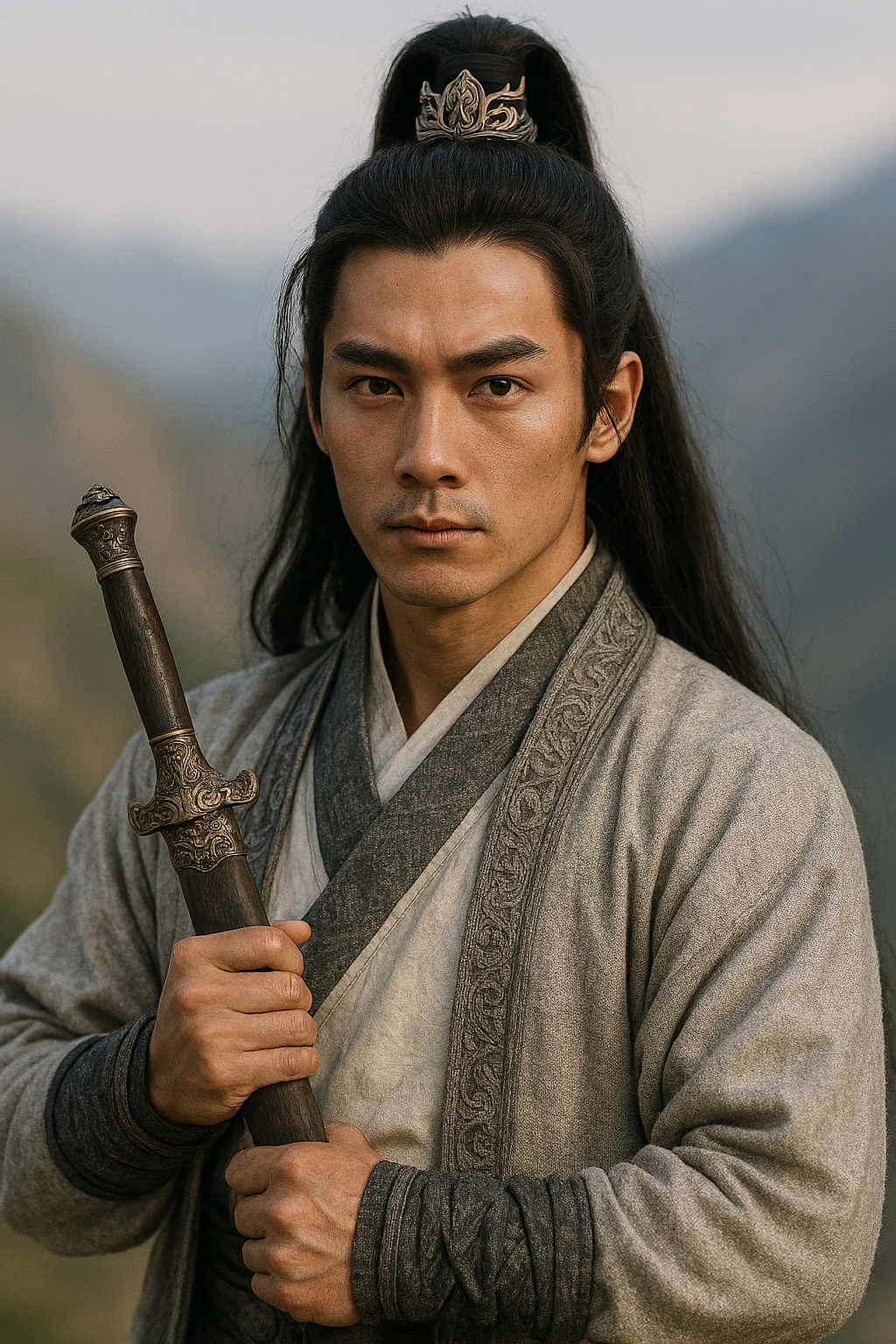
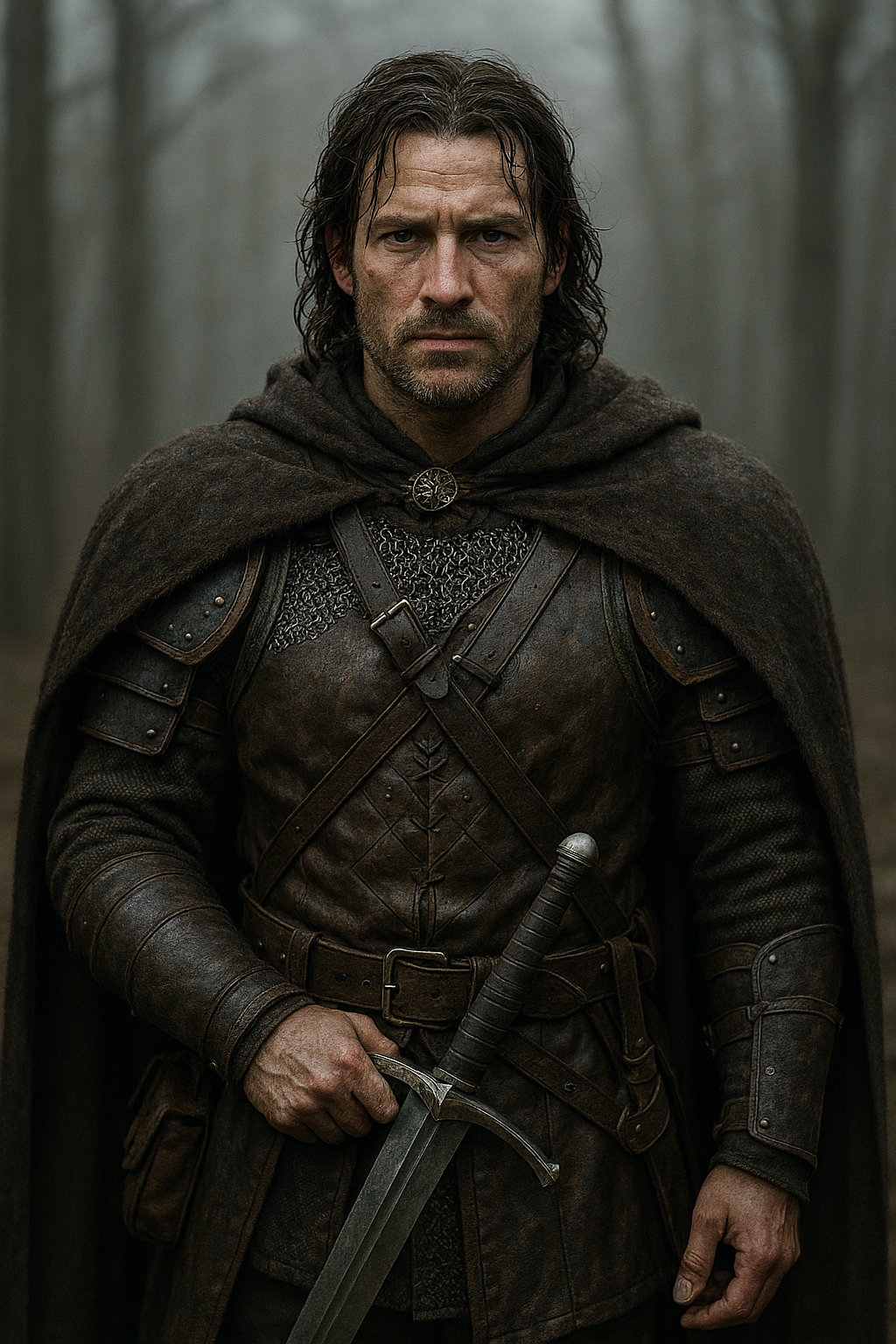
When we talk about “heroes”, we tend to assume a shared structure. But once you compare Chinese and Western contexts, the difference becomes clearer.
Broadly speaking, Western stories tend to centre on the idea of a hero. Chinese traditions are less consistent on that front, and in modern fantasy, the structure shifts again.
In the Western tradition, the structure is fairly familiar.
A hero sets out on a journey, encounters obstacles, overcomes them, and returns. The emphasis is on what the hero does.
Figures like Odysseus or Hercules follow this pattern. Even in modern fantasy led by LOTR, the idea remains similar—there is a problem to be solved, and the hero moves outward to deal with it.
So the structure is:
- leave
- confront
- resolve
- return
The world presents a challenge, and the hero responds through action.
In Chinese material, it is less straightforward.
Classical texts and folklore don’t consistently organise themselves around a single “hero” figure in the same way. There are important characters, but the focus is not always on a structured journey of departure and return.
Instead, there is often more attention on:
- position within a social or cosmic order
- consequences of behaviour
- shifts in circumstance rather than a single arc
So the structure is less tightly centred on one protagonist driving events through action.
Modern Chinese fantasy changes this again.
In web novels and related media, you do get a clear protagonist with a long-term goal, often framed as the pursuit of power or immortality. In that sense, it becomes closer to Western fantasy, especially more adventure-driven or episodic forms.
The difference is that progression is usually framed as self-development over time, rather than a single quest.
So instead of:
- leave → resolve → return
it becomes something more like:
- start weak → improve → overcome → continue
There isn’t always a final “return” point. The story can keep extending as long as progression continues.
Because of that, action still matters, but it is tied to advancement rather than resolution.
Conflicts are less about solving one central problem and more about:
- overcoming successive obstacles
- increasing capability
- moving through stages over time
So while both traditions involve action, they organise it differently.
Another way to put it is:
- Western structure tends to be quest-driven
- Modern Chinese fantasy tends to be progression-driven
The surface elements can look similar—fights, journeys, enemies—but the underlying structure is not quite the same.

